We ran a corporate AI training program for the employees of the commercial and service departments of a logistics company. Employees of the sales, procurement and technical support departments learned to apply artificial intelligence in their daily work, in practice and in a closed, safe environment.
- 3 days
3 hours of sessions each - 9 hours
of practice with an expert - 3 departments
sales, procurement, support - “Sandbox”
a closed environment for working with AI agents
Who we trained and in what
The program was built around each department's tasks: participants worked on their own typical tasks, not abstract examples.
- Sales department: working with requests and customer correspondence, preparing commercial proposals with AI.
- Procurement department: preparing requests, comparing offers, working with supplier documents.
- Technical support: replying to customers, working with the knowledge base, analyzing requests with AI.
How the training was organized
- 3 days of 3 hours: 9 hours of practice with an expert.
- Homework: reinforcing skills between sessions.
- Workbooks: step-by-step materials for independent work after the course.
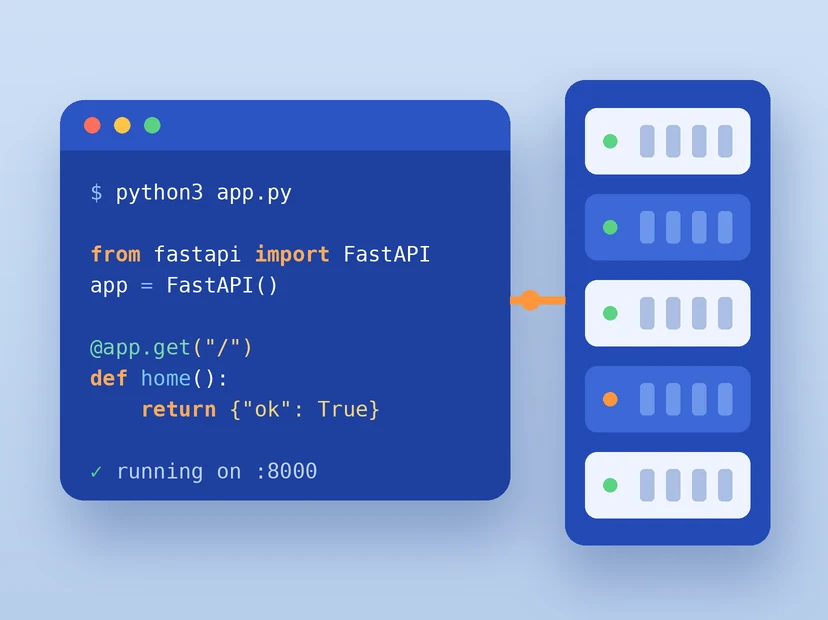
- A closed “sandbox”: a safe environment for working with AI agents, without sending work data to public services.
Under our standard process, before the start we request real cases and documents and the list of tools in use, and determine the group's level; after the training we answer participants' questions for five calendar days.
TakeawayTraining on your own department's tasks in a closed “sandbox” lets people master AI on real work scenarios without sending work data to public services.
What the employees gained
- the skill of setting tasks for AI and checking and refining the result;
- prompt templates and libraries for their department's tasks;
- rules for safe work: what can be sent to models and how to anonymize data;
- an understanding of which tasks to automate first.
“We completed the training, thank you. People there are very interested…”
: an employee of the logistics company
How we assess the effect
We count the effect of training in money and hours: time savings are hours per week multiplied by the employee's rate; in addition, we compare “before and after” metrics on real processes and calculate the payback of every automation introduced. In our projects' experience, deploying AI reduces the time spent on routine operations by up to 50% and on preparing commercial proposals by up to 40%, and the savings can amount to 10–15 hours a week per employee. The final figures depend on the processes and the team's involvement.
TakeawayThe effect of training is measured in hours and money on real processes, and the final figures depend on the processes and the team's involvement.
Another logistics case
Besides training, we develop AI agents for logistics tasks. For example, an agent for freight lot requests monitors platforms 24/7, filters lots, checks counterparties and submits the request itself.
Frequently asked questions
How long does corporate AI training for employees take?
In this case the training took 3 days of 3 hours, 9 hours of practice with an expert, with homework between sessions. The direction and format are chosen to fit the team's tasks.
What do employees learn in a corporate AI course?
To set tasks for AI, check and refine the result, use prompt templates and libraries for their department's tasks and understand what to automate first. Sales, procurement and support work on their own typical tasks.
How do you train employees to use AI safely?
Sessions take place in a closed “sandbox”, an environment for working with AI agents without sending work data to public services. Participants also learn the rules: what can be sent to models and how to anonymize data.
How do you measure the effect of AI training for employees?
Time savings are counted as hours per week multiplied by the employee's rate, and “before and after” metrics are compared on real processes. In our projects' experience the savings can amount to 10–15 hours a week per employee, but the result depends on the processes and the team's involvement.
What should a company prepare before AI training?
Before the start we request real cases, documents and the list of tools in use, and determine the group's level. After the training we answer participants' questions for five calendar days.
Want the same for your team?
We will choose a direction and format for your tasks, from AI in everyday work to tenders, analytics and process automation.