Mobile and web application development at Digital Structures covers the full cycle: from the specification and prototype to publication in the App Store and Google Play and product development after launch. We build apps for iOS and Android, web interfaces and web versions, personal accounts and the server side behind them, and, when the product needs it, we add AI features, augmented reality (AR) and virtual reality (VR). Below we explain what the work includes, how it is organised and what drives the timeline and cost.
What problems an app solves
Companies rarely order an app for its own sake; they order it to meet a specific business or user need. Most often it is one of these:
- A service for customers. A personal account, orders, payments, notifications: everything people want to do from their phone without calling the company.
- A digital extension of a product. For example, an app for a book or textbook that brings its pages to life with augmented reality.
- A working tool for employees. Mobile access to company data and processes, connected to internal systems.
- A new digital product. A service designed as an app from day one, with a web version, a server side and integrations.
In every case we start with who will use the app and what result they need, and only then choose platforms and technologies.
What app development includes
We take on every part of the product, so the client does not need to assemble a team of several contractors and coordinate them.
- Design and planning. The specification, user scenarios and an interface prototype.
- Client side. Apps for iOS and Android and web interfaces.
- Server side. API, database, personal accounts and administration.
- Payments and services. Connecting payments, maps, notifications and external systems.
- AI, AR and VR. Augmented reality, AI features and interactivity.
- Publication and support. Release to app stores, updates and monitoring.
Mobile app or web version
A mobile app is convenient when people use the service regularly and need notifications, the camera or work on the go. A web version opens in a browser without installation and suits work from a computer, personal accounts and admin panels. Products often need both: they then share one server side and common data, and the user sees the same thing on the phone and in the browser.
AI, augmented and virtual reality
We choose these technologies to fit the product's task, not to follow a trend. AI features help users find what they need faster or get an answer or a hint. Augmented reality overlays digital objects on the camera image; this is how our AR app for a children's book works. Virtual reality suits interactive scenarios where a person needs to be fully immersed in an environment.
How the work goes: five stages
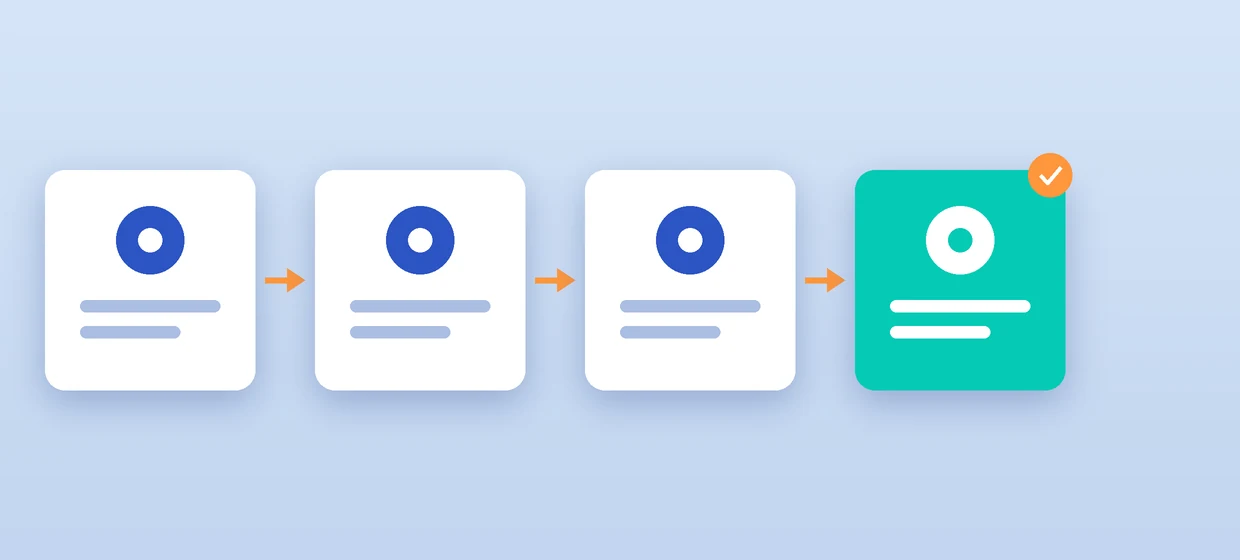
- Specification and prototype. We pin down features and scenarios: what the user does in the app and which screens and data are needed. The prototype lets us test the logic before development starts.
- Design. We design the interface around your brand, following the iOS and Android platform guidelines.
- Development. We build the client side, the server and integrations: payments, maps, notifications and external systems.
- Testing and publication. We test the app and release it to the app stores.
- Further development. We ship updates and new features and keep an eye on how the app works.
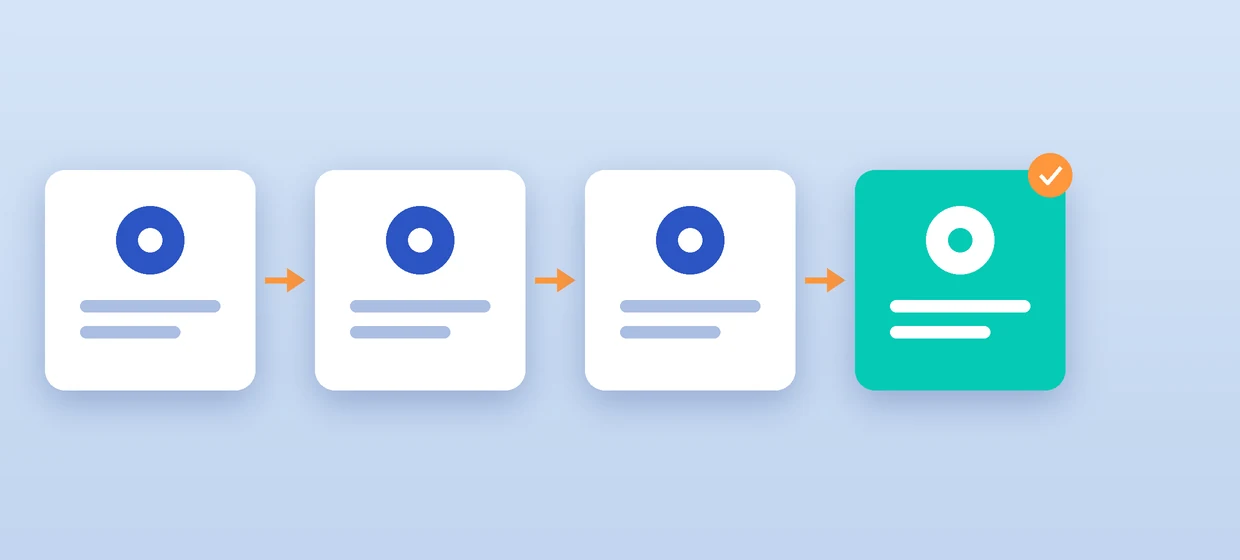
Takeaway: the most expensive mistakes in an app are made before any code is written, so we start with the specification, scenarios and prototype and only then move to design and development.
Project examples
Our work includes apps for different industries:
- AR app for a children's book. An augmented reality app that adds interactivity to a printed book.
- App for a national education publisher. App development for an educational publisher.
- Project with a personal account and external integrations. A project mind map, a personal account and integrations with external systems.
If the app has to work together with a website, an online store or the company's internal systems, we design for that from the start so that data never has to be moved by hand. Since 2014 Digital Structures has been developing software, implementing AI and automating processes, so the app can be connected to the rest of your IT infrastructure.
What drives the timeline and cost
The cost and timeline of app development are estimated individually once the features and scenarios are clear. The estimate depends most on:
- Platforms. iOS only, Android only, both, or a web version as well.
- Number of features and screens. More scenarios and user roles mean more work.
- Server side. Whether you need your own API, database, personal accounts and an admin panel.
- Integrations. Payments, maps, notifications, accounting and other external systems.
- Technologies. AI features, AR and VR need separate design work and content.
- Design. Standard interface elements or a unique visual style.
- Post-launch support. Whether regular updates, monitoring and development are needed.
Takeaway: an accurate estimate comes from the specification, so the conversation about timeline and budget is best started with a description of the task and the users, not with a choice of technology.
Frequently asked questions
Which platforms do you build apps for?
We build apps for iOS and Android, as well as web interfaces and web versions of applications.
What does mobile app development include?
Design and planning (specification, user scenarios, interface prototype), visual design, the client and server sides, connecting payments and external services, publication in app stores and support.
How much does app development cost?
The cost is estimated individually: it depends on the platforms, the number of features, the server side, integrations and the use of AI, AR or VR. To get an estimate, describe your task during a free consultation.
Can you add AI, AR and VR to an app?
Yes. We choose technologies to fit the product's task: AI features, augmented reality and interactivity. For example, we built an AR app for a children's book.
Do you support the app after launch?
Yes. We ship updates, monitor how the app works and keep developing it after it is published in the stores.
Let's discuss your app
Tell us who the app is for and what problem it should solve, and we will suggest where to start and which platforms to choose. More about the service is on the Mobile and web applications page, and you can reach us through the contacts page. You can also book a free consultation right away.