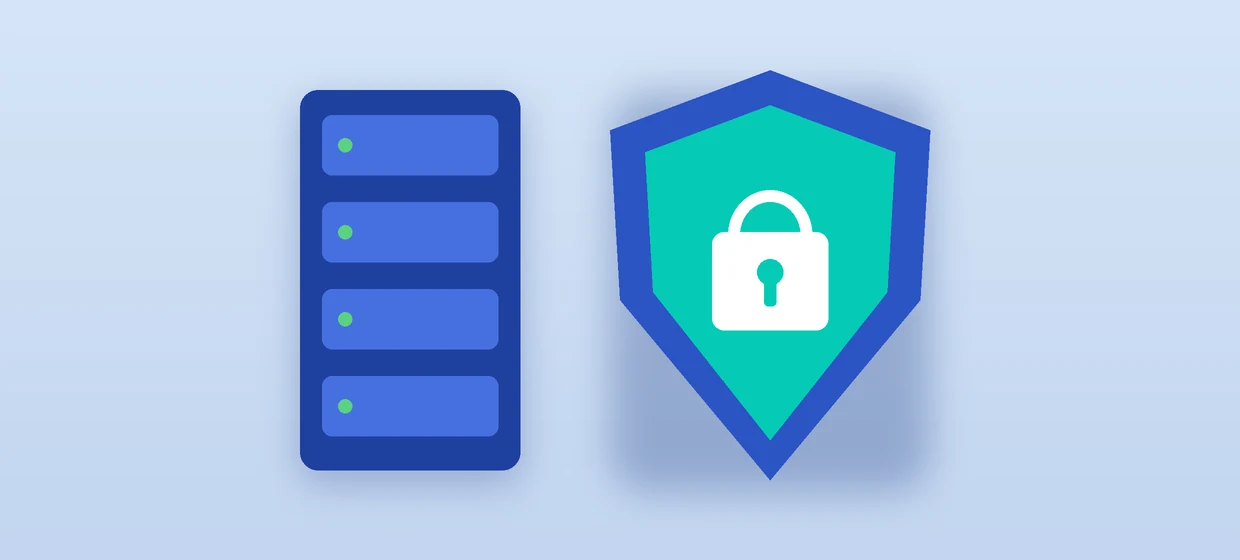
Trusted AI is artificial intelligence you can rely on for important decisions: its models are protected from attacks, and AI agents act within set boundaries, with decisions that can be verified. VERIDIC is Digital Structures' own technology for protecting AI models and agent systems, including against attacks at the training stage. It is needed wherever an error or an attack on artificial intelligence is costly: in banks and financial organizations, at developers of AI platforms, and in companies that entrust key processes to AI agents.
- 10+
years of IT projects for large and medium-sized businesses at Digital Structures, since 2014 - 4 stages
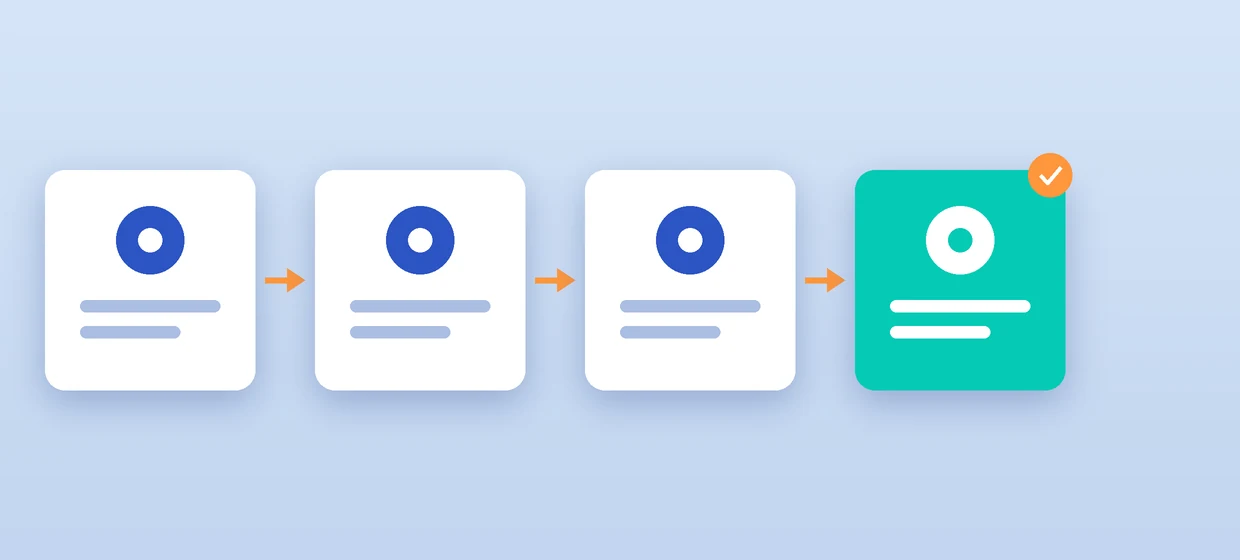
of work: introduction, risk assessment, pilot, implementation plan - 4 scenarios
in the financial sector: biometrics, AI assistants, document and speech recognition, regulatory audit
Why artificial intelligence needs protection
The deeper AI is built into processes, the more important it is that it can be trusted. A model that recognizes documents or identifies a customer by face and voice becomes a link in a chain of decisions. If it is corrupted or deceived, the error travels further along the process and is not discovered right away. Conventional information security protects servers, networks and accounts, but the model itself and the agent's behavior remain outside its scope.
The main risks faced by companies that adopt AI:
- Attacks at the training stage. If specially crafted examples are mixed into the training data, the model learns the wrong behavior. On the surface it works correctly, but in situations chosen by the attacker it makes mistakes. Such attacks are called data poisoning.
- An agent goes beyond its boundaries. An AI agent does not just answer questions; it takes actions on its own: it changes records in systems, sends messages and calls external services. Without control, it may do something it was never authorized to do.
- Decisions cannot be verified. When it is unclear why the AI acted the way it did, it is hard to analyze the error, fix the process and report to the regulator.
TakeawayIt is not only data and servers that need protection, but the AI models and agents themselves: an attack on artificial intelligence can go unnoticed for a long time until the error shows up in a business process.
What VERIDIC provides
VERIDIC brings together technologies that help you trust AI in key processes. The work is built around four areas.
Protection of AI models
We reduce the risk of attacks on models, including attacks at the training stage, when a model is corrupted before launch through the data it learns from. This is especially important for models that are fine-tuned on a company's own data.
Control of agent systems
We check that AI agents act within set boundaries and that their decisions can be verified. This is critical when an agent works with customer data, money or a company's internal systems.
AI in the financial sector
The financial sector is one of the areas where the cost of an AI error is especially high. Here VERIDIC applies to biometrics and identification, AI assistants and agents, document and speech recognition, and regulatory audit.
A pilot for your task
Together we choose the scenario, data and success criteria, run the pilot and evaluate the result. This way the technology is tested on a real task rather than in an abstract demo.
Who VERIDIC is for
The technology is designed for organizations where an AI failure has financial, reputational or regulatory consequences:
- Banks and financial organizations, where AI takes part in customer identification and in processing documents and requests.
- Companies that bring AI agents into key processes: sales, support, document workflows and work with internal systems.
- Developers of AI solutions and platforms who need their product to resist attacks and its behavior to be verifiable.
- Organizations with high requirements for reliability and security, where AI decisions must be transparent to auditors.
If AI in your company only helps write drafts, dedicated protection may not be needed yet. But as soon as a model starts making decisions or an agent gets access to systems, trust becomes a practical question.
How the work is done
Work on VERIDIC proceeds step by step, and at each stage it is clear what you get.
- Introduction. We discuss your AI systems and use cases: which models are running, where agents are involved, and which data and systems they can access.
- Risk assessment. We identify where the AI is vulnerable and what needs protection first.
- Pilot. We test the technology on your scenario with agreed data and success criteria.
- Implementation plan. We prepare a report on the pilot results and a roadmap for further implementation.
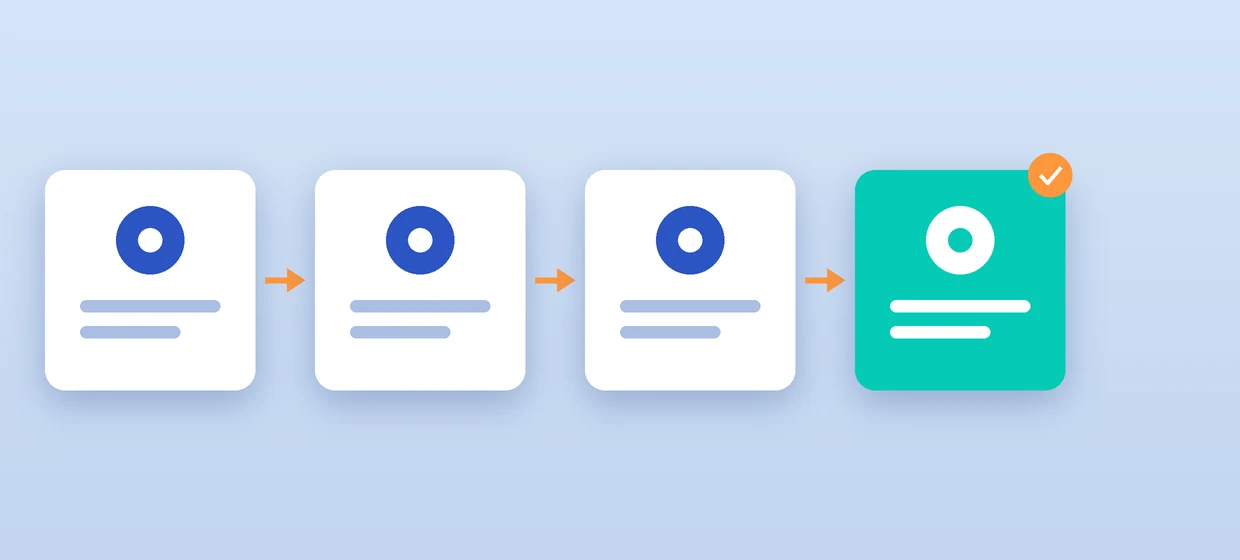
TakeawayIt is best to start with a pilot: it shows how the technology works on your data and in your scenario before you decide on full implementation.
What timing and cost depend on
VERIDIC has no fixed price list: the scope of work is defined after the introduction and risk assessment. Timing and cost depend on:
- how many AI systems and scenarios need protection;
- which models are used: your own, fine-tuned on your data, or third-party;
- whether there are AI agents and which systems and data they can access;
- what data can be provided for the pilot;
- which success criteria and reporting requirements are needed, including those of the regulator.
We agree on the pilot's success criteria with you in advance, so the result is assessed against indicators that are clear to both sides.
Frequently asked questions
What is trusted artificial intelligence?
It is AI whose models are protected from attacks and whose agents act within set boundaries, with decisions that can be verified. VERIDIC is a set of trusted AI technologies developed by the Digital Structures team.
How do you protect an AI model from data poisoning?
Protection has to start at the training stage, because that is when examples that corrupt the model's behavior can be mixed into the data. VERIDIC reduces the risk of attacks on models, including attacks at the training stage.
How is VERIDIC different from conventional information security?
Conventional security covers servers, networks and access rights. VERIDIC protects the AI models themselves and makes sure AI agents act within set boundaries.
How much does VERIDIC implementation cost?
The cost depends on the number of AI systems and scenarios, the models used and the requirements for the result. We determine it after the introduction and risk assessment, and we start with a pilot for your task.
How do I start working with VERIDIC?
With a pilot: together we choose the scenario, data and success criteria, run the pilot and evaluate the result. At the end you receive a report and an implementation roadmap.
Let's discuss a VERIDIC pilot
We will tell you about the technology and choose a pilot scenario for your task. Details are on the VERIDIC page, you can reach us via contacts, and you can discuss your task at a free consultation.