Custom software development means building a system around a specific company's processes when off-the-shelf products do not fit or demand too many compromises. Since 2014, Digital Structures has been designing architecture, writing specifications, and developing and improving bespoke software — from ERP and accounting systems to industry platforms and high-load services — and after launch we train staff and support the system.
- Since 2014
in the software development market - 500,000
simultaneous users supported by the LMS platform we built - 5 stages
from analysis to ongoing support
When you need custom development
Off-the-shelf software handles standard tasks well: accounting, email, simple record keeping. But many companies have processes that do not fit the logic of a boxed product. Then you have to choose: adapt the business to the software or the software to the business. Custom development makes sense when:
- your processes are unique, and customizing a ready-made product turns into an endless chain of workarounds;
- you need a single system instead of scattered spreadsheets and services — projects, resources, finances and documents in one place;
- the service has to handle hundreds of thousands of users and grow with the business;
- the system faces strict security requirements, as in the public sector and finance;
- existing software needs to be developed further, integrated with other systems or modernized.
If the task can be solved without building from scratch, we will tell you so during analysis. For some accounting and automation tasks our low-code platform Tablis is a better fit, as it lets a system be assembled faster.
What we develop
Pre-project analysis and specification
We study your processes, build prototypes and write a specification that allows timeline and budget to be estimated. This reduces risk before development starts: an inaccurate requirement is easier to fix in a document than in finished code.
Architecture
We design systems that will withstand load, growth and the test of time, thinking through data structure, integrations, access control and scaling.
High-load services
We build platforms designed for hundreds of thousands of simultaneous users, with performance headroom and resilience to peak loads.
ERP and accounting systems
We develop systems for managing projects, resources, finances and documents around your processes rather than an averaged-out boxed model.
Industry platforms
We work in education, finance, municipal services and industry — sectors where processes have a lot of specifics.
Improving existing systems
We develop, integrate and support software that is already running when replacing it entirely makes no sense.
Technologies
We choose the stack for the task: Python, C#, Go, Java, PHP and others. The choice depends on load requirements, the client's infrastructure and who will develop the system further.
Takeaway. The main output of the pre-project stage is a specification that lets you estimate timeline and budget before the bulk of programming costs begins.
How the work is organized
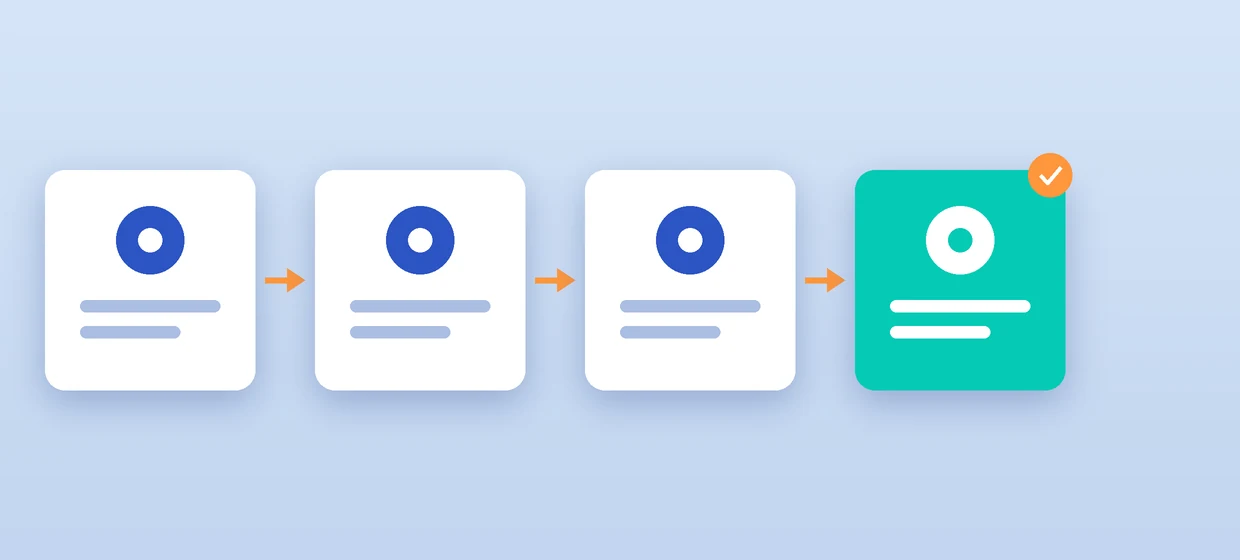
A project goes through five stages. Each ends with a clear result that you approve before we move on.
- Analysis. We study processes and requirements: how work is organized today, which systems are already in use, and what security and integration constraints exist.
- Architecture and specification. We design the solution, choose the technologies and agree on the work plan.
- Development. We work in iterations with regular demos: you see working parts of the system long before the finish and can adjust priorities.
- Rollout. We launch the system, migrate data from previous programs and spreadsheets, and train staff.
- Support. We maintain and develop the system after launch.
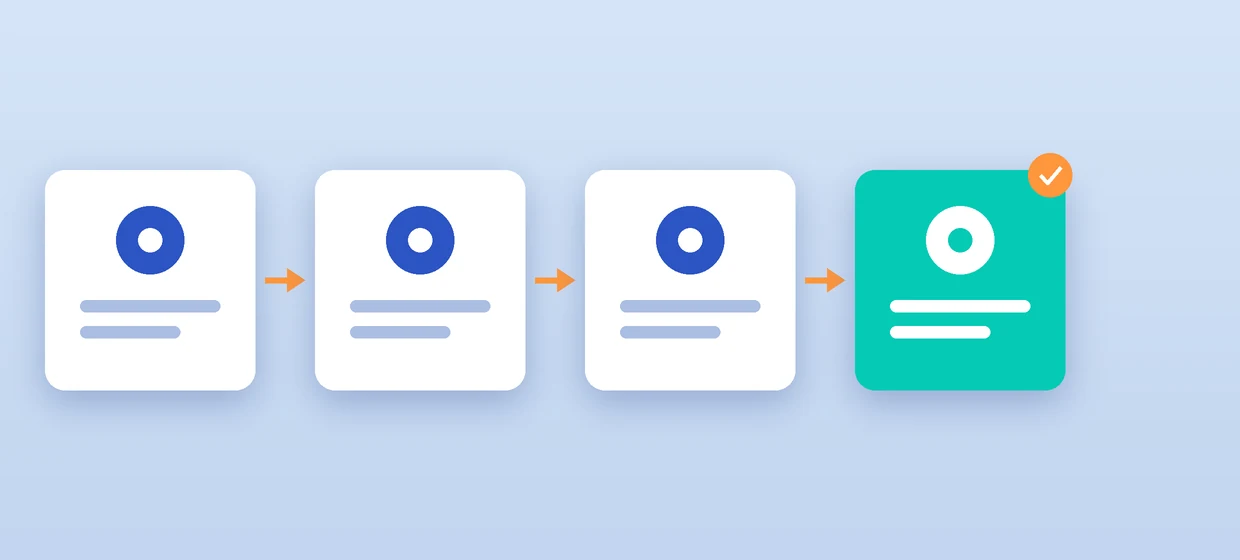
Staff training is part of the rollout, not an add-on. A system only pays off when people use it, so we show employees how to work in it on their real tasks. After launch, the system can be handed over to IT support.
Project examples
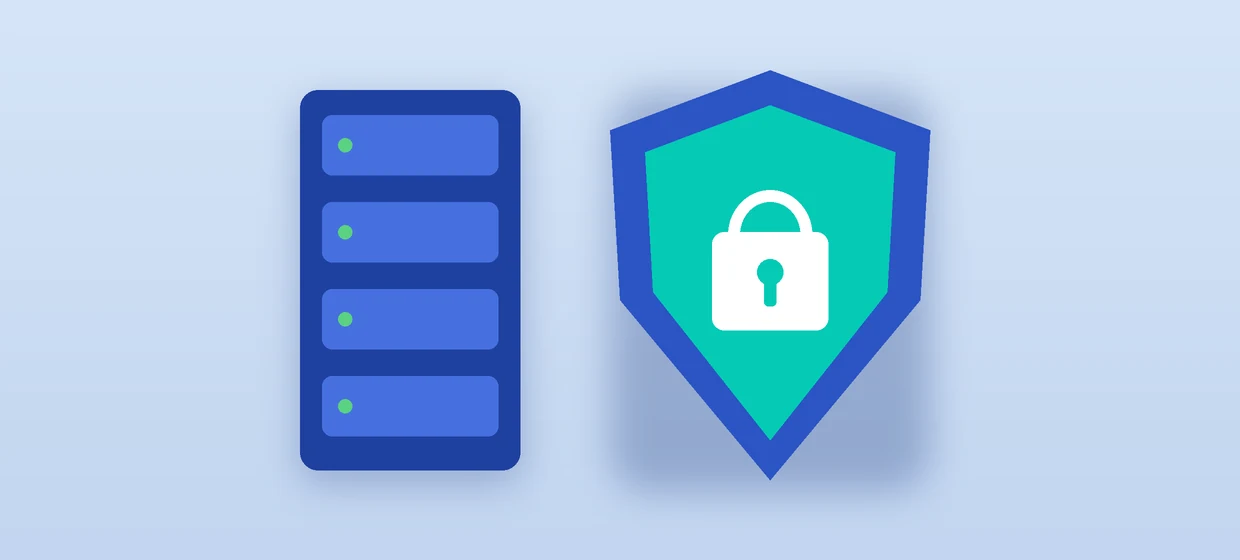
- Public sector and finance. Systems with strict security requirements — projects for Rosatom, the Federal Compulsory Medical Insurance Fund and PSB Bank: KPI monitoring, heat supply management, registers of insured persons, debt collection.
- Education. An LMS platform for online schools and corporate training. The smart system selects materials for knowledge gaps, withstands up to 500,000 simultaneous users and produces reports.
- City. The Smart City system — a single window for video analytics, street lighting and utilities alerts.
Learn more in our success stories and about the company sections.
What drives timeline and cost
It is impossible to give an honest price and timeline for custom development before analysis: two systems that look similar on the surface can differ greatly in scope. The estimate depends on:
- the scope and complexity of the business processes to be automated;
- the number of integrations with existing systems and the volume of data to migrate;
- load requirements and the number of simultaneous users;
- security and hosting requirements;
- the number of user roles, interfaces and reports;
- the amount of staff training and the format of ongoing support.
That is why work starts with pre-project analysis. At the end of it you have a specification and an estimate, and the decision to start development is made on clear figures. The iterative approach lets you start with the core of the system and add features as it begins to deliver value.
Takeaway. Custom development is justified where compromises with off-the-shelf software cost more: the system is built around your processes and evolves with your company.
Frequently asked questions
How much does custom software development cost?
The cost depends on the scope of processes, the number of integrations, and load and security requirements. An accurate estimate comes from pre-project analysis, which produces a specification used to calculate the budget.
How long does it take to develop custom software?
The timeline is set at the architecture and specification stage and depends on the size of the system. Development runs in iterations with regular demos, so you see the first working parts long before the final launch.
How is custom development different from off-the-shelf software?
Off-the-shelf software is built for standard processes, and the business has to adapt to it. A custom system is designed around your processes, integrates with your systems and evolves according to your priorities.
Can you improve a system that is already running?
Yes. We develop, integrate and support existing software when rewriting it entirely makes no sense.
Which technologies do you use?
Python, C#, Go, Java, PHP and others. We choose the stack for the task, based on load requirements, infrastructure and ongoing support.
Discuss your project
Tell us about your task, and we will propose an approach and start with analysis. Find more about the service on the custom development page. You can reach us via contacts or book a free consultation here.