AI transformation of a business means reshaping company processes so that artificial intelligence works not in a separate chat used by a few enthusiasts, but inside requests, documents, sales and reporting, with a clear and measured effect. Digital Structures delivers turnkey AI transformation: we diagnose processes and data, draw up a strategy and an implementation roadmap, train the team, run pilots with AI agents and automation, protect AI with VERIDIC technologies and scale what has proven its value. Here is what such a project consists of, who it is for and how we calculate its cost and effect.
- Since 2014
delivering projects for large and mid-sized businesses - 11
corporate AI training tracks - No. 30813
the Tablis platform in the Russian software registry
What AI transformation is and how it differs from a single chatbot
Companies usually meet AI piecemeal: an employee tries a neural network for emails, marketing connects a text generator, a chatbot appears on the website. This brings some benefit, but it stays scattered. Some employees do not trust AI answers, others send data to external services that should never leave the company, and management cannot say how much time and money it has saved.
AI transformation approaches the task differently. First we find out where processes lose the most time and what data is available, then we choose tasks with a measurable effect, prepare people, test solutions in pilots and only then roll them out across the company. A chatbot or an AI agent becomes one of the tools in this plan rather than a goal in itself.
- A single chatbot answers questions from a script and lives apart from business systems.
- AI transformation is a set of coordinated changes: agents and automation in several processes, a trained team, rules for working with data safely and before-and-after metrics.
What turnkey AI transformation includes
We take clients through the full digitalisation cycle: from strategy and architecture to software development, AI agent deployment and staff training. In this comprehensive solution these services are combined into one sequence where each step builds on the results of the previous one.
1. Process and data diagnostics
We study processes, systems and data: we find manual operations, duplicates and bottlenecks, describe the “as is” and “to be” process, and record the goals and metrics by which the result will be assessed. We also look separately at where data is stored and what can be passed to models.
2. AI strategy and implementation roadmap
Based on the diagnostics, we choose the processes where AI will deliver a measurable effect and set priorities. For owners and top managers we hold a strategy session on AI adoption. The result is an implementation roadmap: which tasks come first, which systems need to be connected, where AI agents are needed and where automation or low-code on the Tablis platform is enough.
3. Team training
Technology only works when people know how to use it. In our corporate AI training programs employees learn to brief neural networks and AI agents, check the results and work within company policies: what can be passed to models and how to anonymise data. We build the program around your processes and tools, and it ends with a 30-60-90-day implementation plan.
4. Pilots: AI agents and automation
We first launch a new solution on part of a process. It can be an AI agent that sorts requests, answers customers from a knowledge base or checks documents, or business process automation: integration of CRM, 1C, email and messengers, approval routes and dashboards. In the pilot we compare the result with how the work was done before, using the chosen metrics.
5. Protection and trust in AI
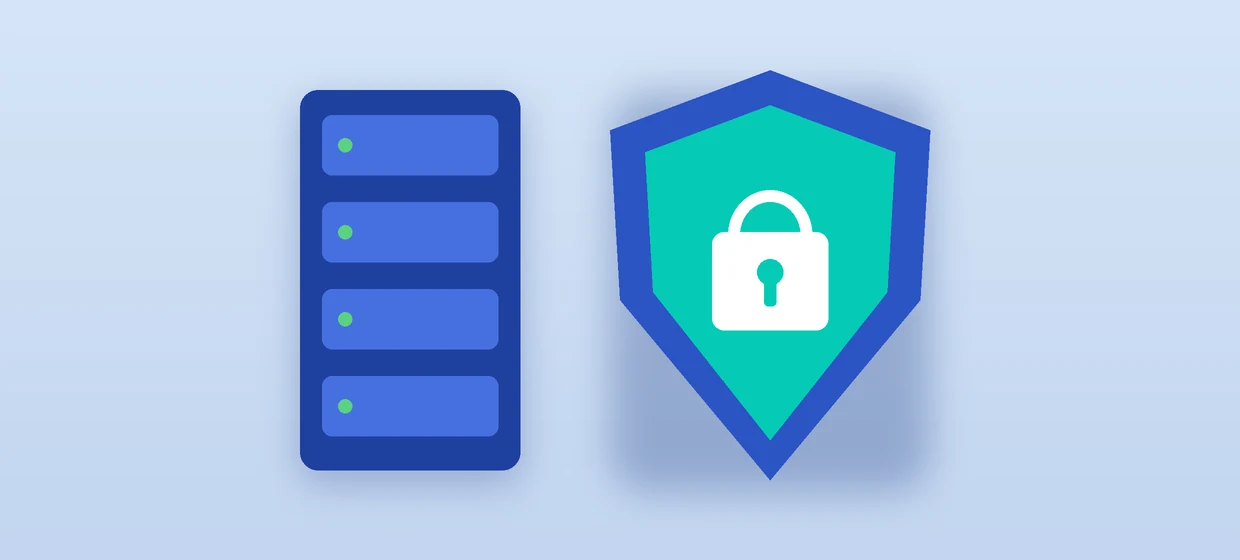
Once AI starts making decisions and an agent gets access to systems, trust becomes a practical matter. Our own VERIDIC trusted AI technologies protect models from attacks, including attacks at the training stage, and make sure AI agents act within set boundaries and their decisions can be verified. If data cannot leave the company, we deploy the solution within your perimeter (on-premise) on local models.
6. Scaling and measuring the effect
If the pilot confirms the effect, we extend the solution to other processes, departments and branches, support the system and develop it as the company grows. We keep measuring the effect with the same metrics as at the start, so it is clear which deployment has paid off and what to take on next.
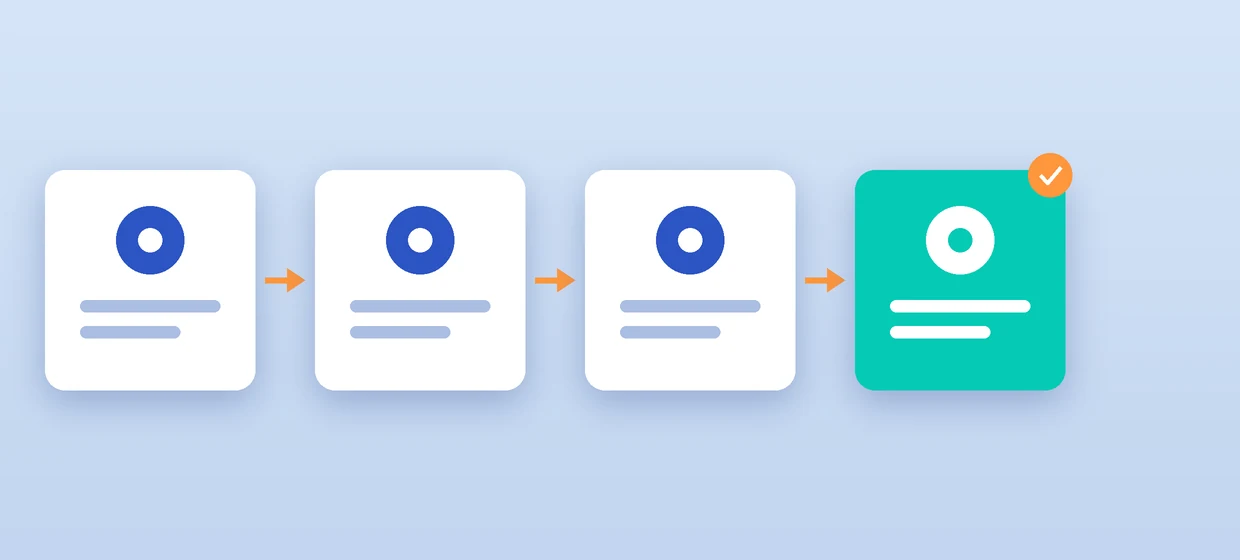
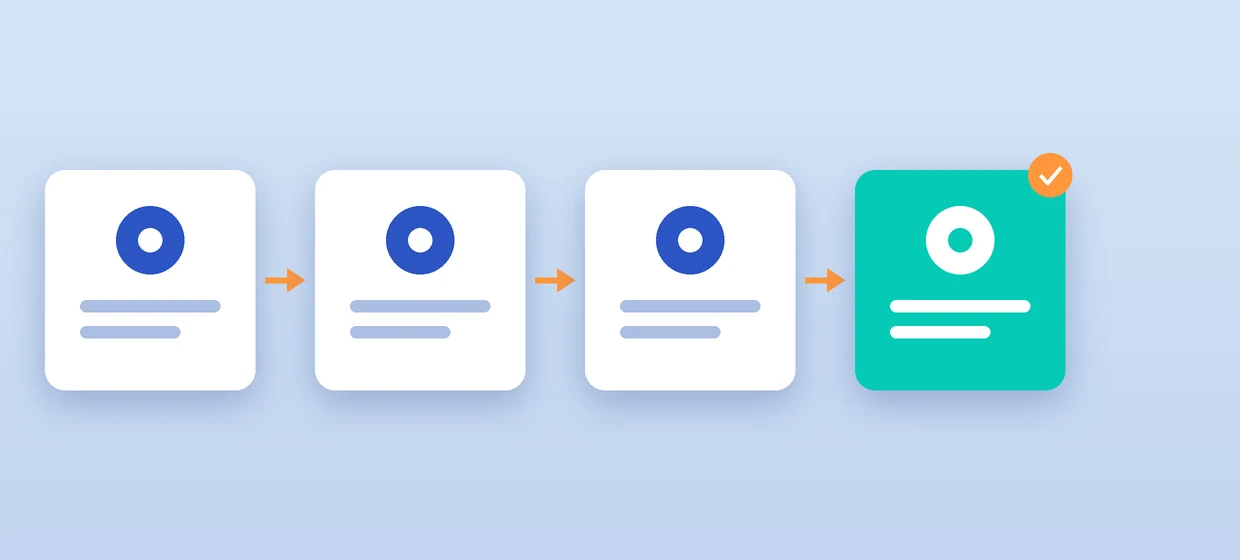
Takeaway. AI transformation is not the purchase of a single tool but a sequence: diagnostics, strategy, people, pilots, protection and scaling. Each next step is taken once the previous one has shown results.
Who the comprehensive solution is for
A comprehensive approach is needed where AI must work across several processes and departments at once, and where a mistake or data leak is costly:
- Large businesses: projects for several departments and branches, alignment with information security requirements, work under your procurement procedures and, if needed, deployment within your perimeter.
- Mid-sized businesses: a quick start in one or two departments with tools available in Russia, followed by expansion.
- Banks and financial institutions: where AI is involved in customer identification and in processing documents and requests, and where decisions must be verifiable.
- Companies with disconnected systems: where the same data is entered into several systems and reports are assembled by hand from spreadsheets.
We work with companies in education, telecoms, logistics, manufacturing, robotics and security. For example, the team of a logistics company mastered AI in 3 days: the sales, procurement and support departments learned to work with AI agents in a secure sandbox. Digital Structures is an IT company accredited by the Russian Ministry of Digital Development.
How we calculate cost and effect
AI transformation has no fixed price list: the scope of work becomes clear after diagnostics. That is why we start with it and calculate the payback before implementation begins, at the design stage. You decide on development when the expected effect is already visible.
The scope and timeline of the project depend on:
- how many processes, departments and branches the transformation covers;
- how many systems need to be integrated and whether they have APIs;
- the volume and quality of data and how well the knowledge base is organised;
- which tasks AI agents take on and where they run: in an external service or on-premise;
- requirements for data protection and verifiability of AI decisions;
- how many employees need training and in what format.
We calculate the effect transparently: hours per week multiplied by the employee’s rate, before-and-after metrics on real processes and the payback of each automation deployed. Pilots let you verify the effect on part of the work before you invest in scaling.
Takeaway. It pays to start with diagnostics and one or two processes with a clear metric: this way the transformation budget grows together with confirmed results.
Frequently asked questions
What is AI transformation of a business?
It is a reshaping of company processes in which AI agents and automation work inside requests, documents, sales and reporting. It includes diagnostics, an adoption strategy, team training, pilots, AI protection and scaling with measurement of the effect.
Where should a company start with AI adoption?
With diagnostics of processes and data: it shows where the most time is lost, what data is available and which metrics will define success. Based on it we draw up an implementation roadmap and calculate the payback.
How long does AI transformation take?
The timeline depends on the number of processes, integrations and employees to be trained, and is fixed after diagnostics. The first results are visible in the pilots, before scaling across the whole company.
How is AI transformation different from deploying a single chatbot?
A chatbot solves one task and usually lives apart from business systems. AI transformation changes several processes at once: agents and automation are connected to CRM, 1C and documents, the team is trained, and the effect is measured with before-and-after metrics.
Can AI be adopted without sending data to external services?
Yes. When needed, we deploy solutions within the company’s perimeter on local models, and VERIDIC technologies make sure AI agents act within set boundaries.
Let’s discuss AI transformation for your company
Tell us which processes take up most of your team’s time, and we will suggest where to start the diagnostics and estimate the effect. You can message us on Telegram, email info@digitalstructures.pro or call +7 (931) 2-555-777; all contact options are on the contacts page. You can discuss your task during a free consultation, and our other comprehensive offers are collected on the all solutions page.