A custom website differs from a template solution in that its structure, design and functions are created for a specific business's tasks, while a template is a ready-made base that you adapt to your needs. Below we explain how a website attracts customers, how custom development works and how to choose between a template and a custom design.
How a website helps attract customers
A website is not just a point of contact but a powerful marketing tool. It works 24/7, attracting new customers through search engines, social networks and advertising. Well-designed blocks, a clear structure, convincing content and a fast response build trust and motivate action. We build websites with a focus on conversion: we add forms and calls to action and make navigation simple and logical. As a result you get not just a website but a full sales channel that supports business growth.
Search optimization starts even before the site launches. Already at the design stage we take into account structure, keywords, meta tags, loading speed and responsiveness. All of these factors affect search rankings. We build a semantic core, optimize the URL structure, connect a sitemap, and set up redirects and structured data. We also give content recommendations and connect analytics systems. Thanks to this, the site gets indexed faster, receives traffic and starts working for your business right after launch.
TakeawaySEO is built in at the design stage: structure, keywords, speed and responsiveness determine how quickly the site gets indexed and starts receiving traffic.
How we build websites: from idea to launch
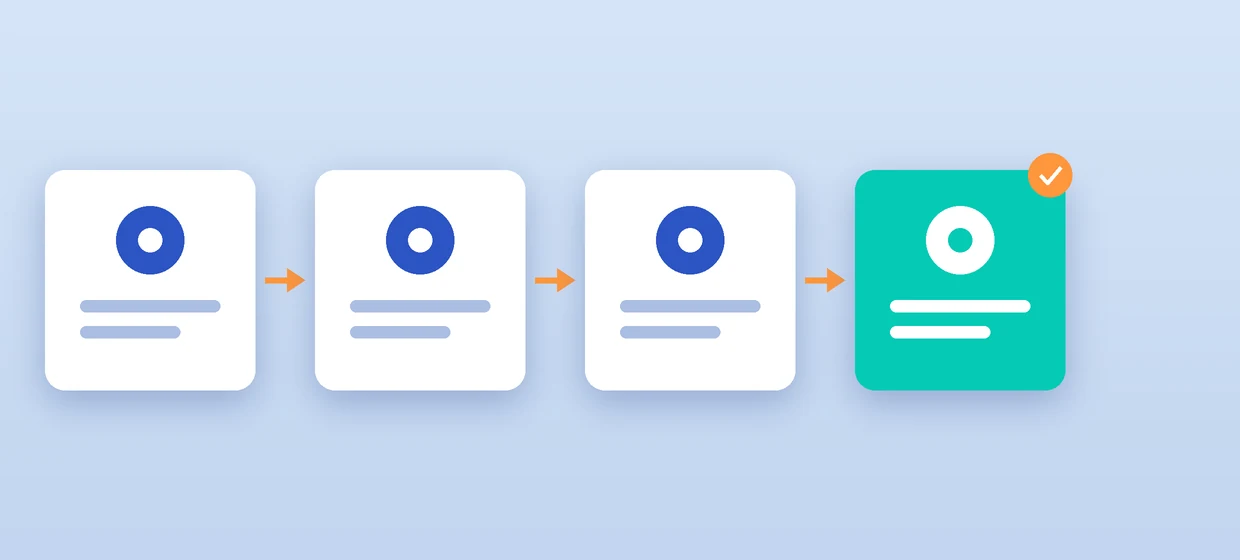
We accompany the client all the way from idea to launch and support. Work begins with analysis: we learn about your business, goals and tasks. Then we design the structure, create prototypes and choose a style. After approval we move on to design and layout, implement a CMS, and set up all the functions and responsive behavior. Before launch we test the site on all devices and check speed and security. After publication we train you to work with the site and, if needed, continue support. All of this happens within a transparent and clear process.
Stages of creating a custom website
Developing a custom website is a clearly structured process in which every stage affects the final result. It all starts with a briefing, where we learn about your business, target audience, competitors and project goals. Next we create the structure and page prototypes and approve the visual style. Then designers produce mockups, which are turned into working pages with responsive layout and a CMS. We integrate the necessary functions and carry out testing and optimization for devices and search engines. The final stage is training, launch and technical support.
Turnkey website creation is a comprehensive service that includes not only technical implementation but also marketing work. We analyze competitors, form the site structure, choose key messages and visual solutions, and create an attractive and convenient design. We build the site on a modern CMS, set up the functionality (forms, carts, filters, chat and so on), and carry out SEO optimization and testing. In addition, when the project is finished we give recommendations on running the site and provide support and help with its development.
How to choose a contractor for building a website
The choice between a template and a custom design depends on goals, timelines and budget. A template site lets you launch a project quickly and at minimal cost, which is an excellent solution for a small business, an MVP or a one-page site. A custom design suits those who want a unique visual solution, full consistency with the brand and maximum flexibility. It is important to understand that a template can also be adapted to the business's tasks by changing colors, blocks and styles. We will tell you which option is best in your situation and carry out the project as effectively as possible.
TakeawayA template is a quick, low-cost start for a small business, an MVP or a one-page site. A custom website is the choice when you need a unique design, full brand consistency and maximum flexibility.
Frequently asked questions
What is the difference between a custom website and a template one?
A template site is built on a ready-made base, so it launches quickly and at minimal cost. A custom website is designed for a specific business: a unique design, full consistency with the brand and maximum flexibility.
When is a template website enough?
For a small business, an MVP or a one-page site, when you need to launch quickly on a minimal budget. A template can be adapted to your tasks by changing colors, blocks and styles.
What are the stages of custom website development?
A briefing, structure and prototypes, approval of the visual style, mockups, responsive layout and a CMS, integration of functions, testing and optimization, and finally training, launch and technical support.
What does turnkey website development include?
Competitor analysis, site structure and key messages, design, development on a modern CMS, setting up forms, carts, filters and chat, SEO optimization, testing, and support after launch.
When should SEO optimization of a website start?
At the design stage: structure, keywords, meta tags, loading speed and responsiveness are laid down before launch, so the site gets indexed faster.